
Sonoff vs Shelly: Which is better for your setup?


Sonoff and Shelly are two of the most popular brands for DIY and professionally installed smart home systems, but they approach the market a little differently.
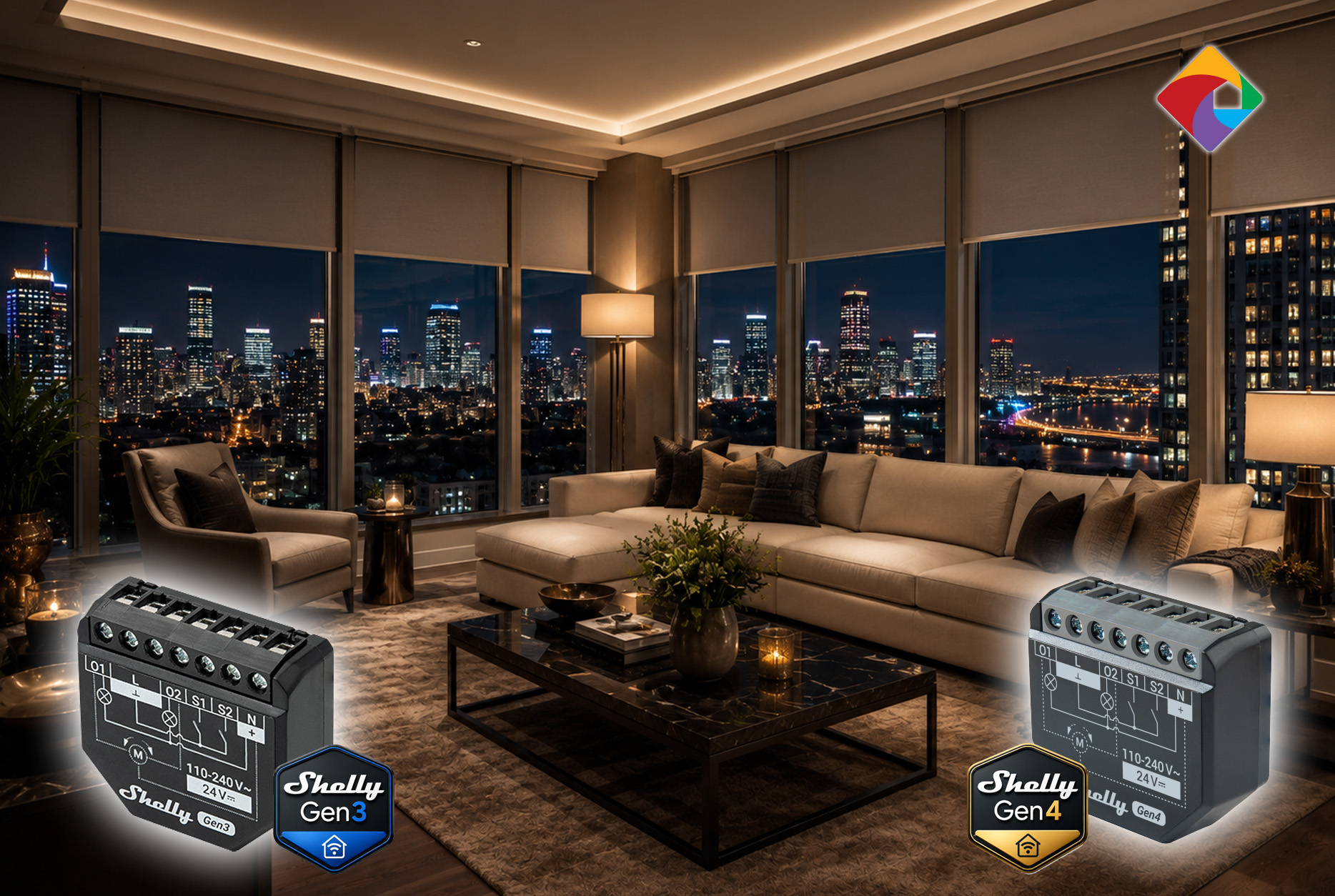
For this comparison, we’re mainly looking at Zigbee, particularly Sonoff Zigbee products compared with the newer Shelly Gen4 range. One important difference is that many Shelly Gen4 devices are designed to support multiple connectivity options, including Zigbee and Wi-Fi, giving users more flexibility in how they build their system.
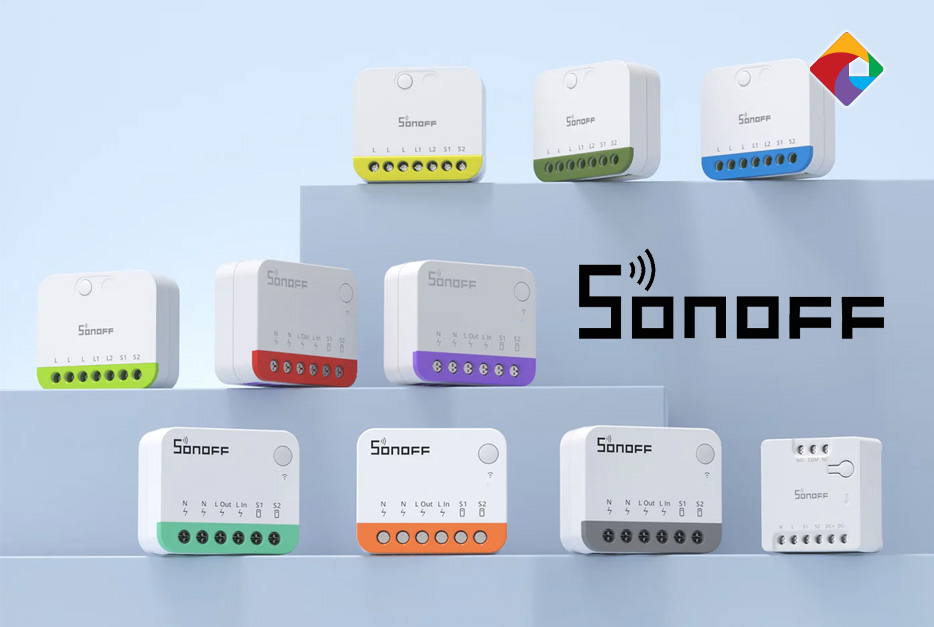
Sonoff, on the other hand, has built a very strong Zigbee and Matter ecosystem covering everything from in-wall relays and smart plugs to motion sensors, temperature sensors, contact sensors, buttons, thermostatic radiator valves and more.
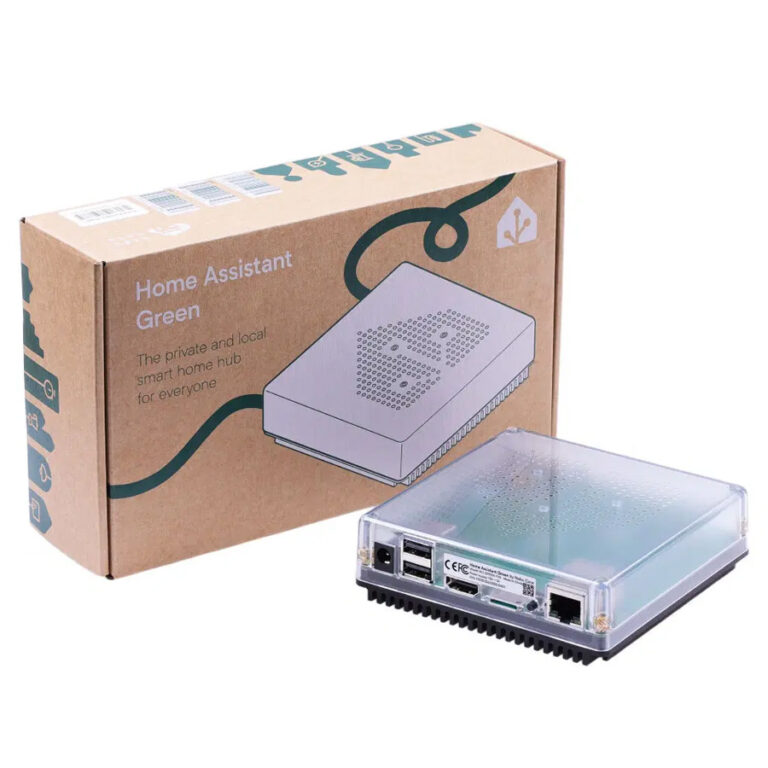
Both brands can work particularly well with open smart home platforms such as Home Assistant, so the better option often comes down to the type of devices you need, your budget and how you want your smart home to grow.

Sonoff vs Shelly - Product range
This is one area where Sonoff has a clear advantage, particularly when looking specifically at Zigbee.
Sonoff has developed a large range of Zigbee devices covering both control and sensing. Alongside smart relays and switches, there are motion sensors, presence sensors, door and window sensors, temperature and humidity sensors, water leak sensors, wireless buttons and other Zigbee devices in the Sonoff range.
This makes it possible to build a substantial Zigbee smart home using products from the same manufacturer.
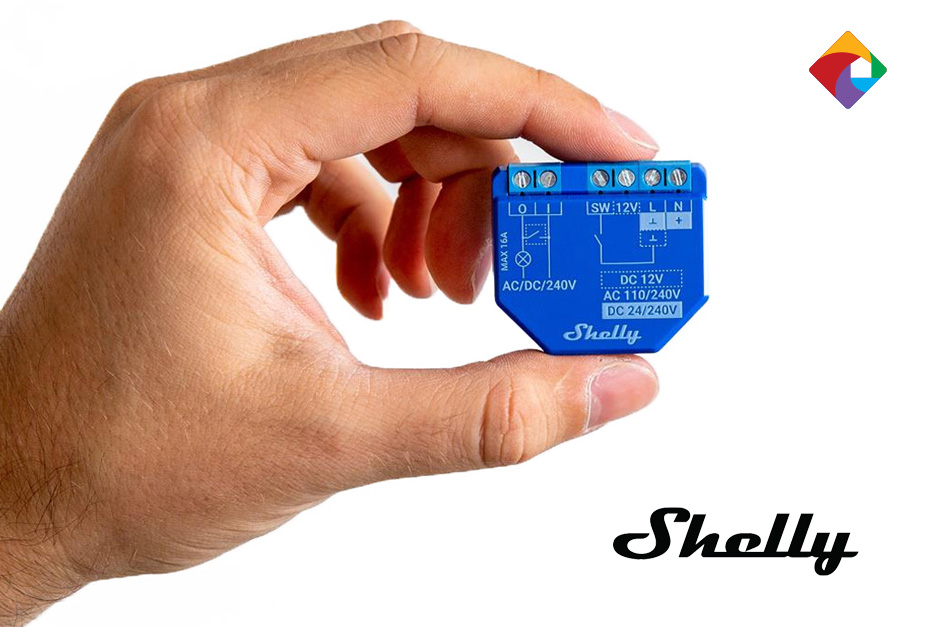
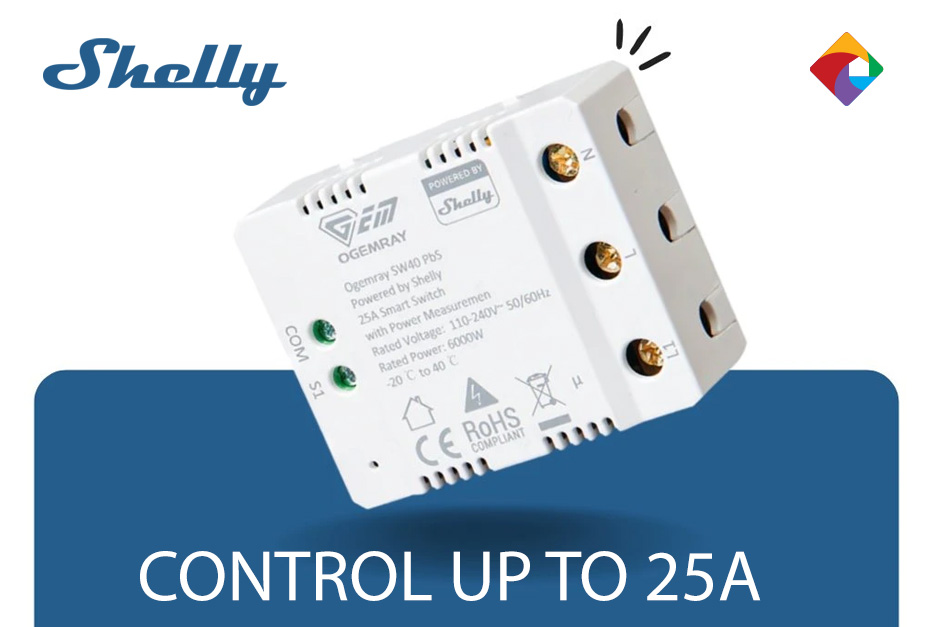
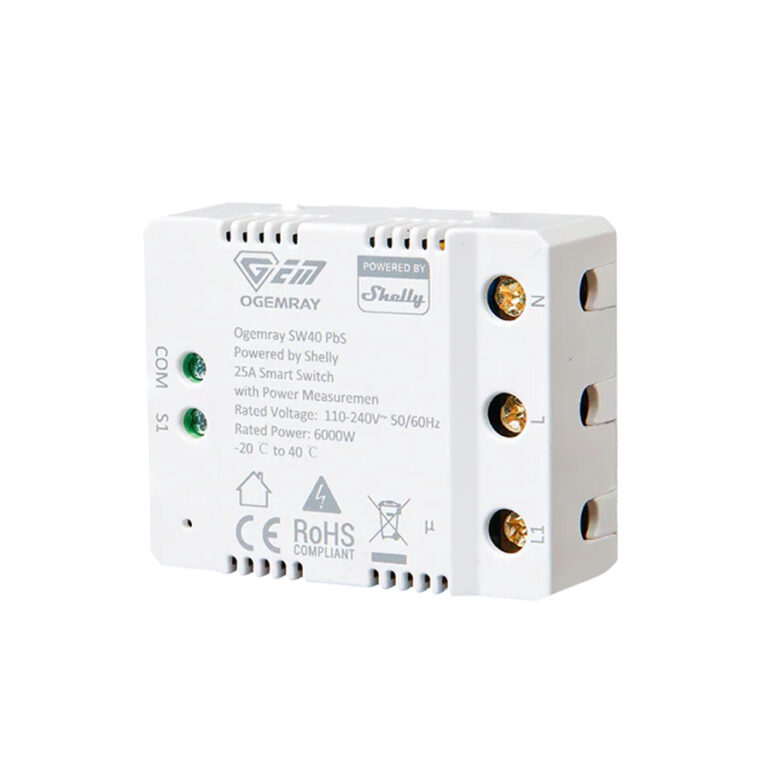
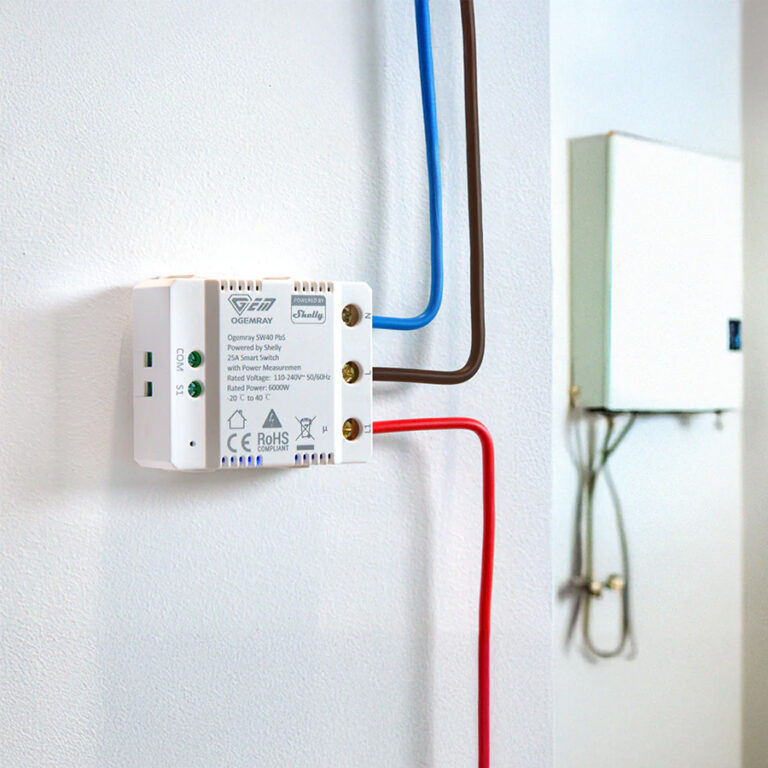
Shelly has traditionally been best known for its compact in-wall relays, power monitoring products and lighting controllers. The Gen4 range expands Shelly’s options considerably by introducing Zigbee alongside its familiar Wi-Fi connectivity, but its Zigbee sensor and accessory range is still much smaller than Sonoff’s.
If you are primarily looking for relays and controllers, both brands provide strong options. If you want a broader range of Zigbee sensors and accessories as well, Sonoff currently offers significantly more choice.

Sonoff vs Shelly - Reliability
Both Sonoff and Shelly have established themselves as reliable smart home brands when installed and configured correctly.
With Zigbee, reliability depends on more than just the individual device. Zigbee creates a mesh network, where mains-powered devices can help relay messages between devices and the Zigbee coordinator. A well-designed network with strategically positioned powered routers can therefore make a significant difference to overall performance.
Sonoff has a large installed base of Zigbee products and is commonly used with platforms such as Home Assistant, ZHA and Zigbee2MQTT.
Shelly also has a strong reputation for its smart relays and local-control products. Gen4 adds Zigbee while retaining the option of Wi-Fi on supported devices, which can be useful where one communication method works better for a particular installation.
For either brand, a properly designed Zigbee network is generally more important than simply choosing one manufacturer over the other.

Sonoff vs Shelly - Interoperability
One of the biggest advantages of Zigbee is that you do not need to commit to a single brand.
When using an open Zigbee platform such as Home Assistant with ZHA or Zigbee2MQTT, compatible devices from different manufacturers can operate on the same Zigbee network.
That means you could use a Sonoff motion sensor, a Shelly Gen4 relay and devices from Aqara, IKEA or other Zigbee manufacturers within the same Home Assistant installation.
Shelly Gen4 also brings another layer of flexibility because supported devices can use Wi-Fi as well as Zigbee. This gives users additional options when designing their smart home network.
As always, individual device compatibility should be checked with your chosen Zigbee platform, but both Sonoff and Shelly fit particularly well into open smart home ecosystems.

Sonoff vs Shelly - Cost & affordability
For buyers building a larger smart home system, Sonoff generally has the advantage when it comes to affordability.
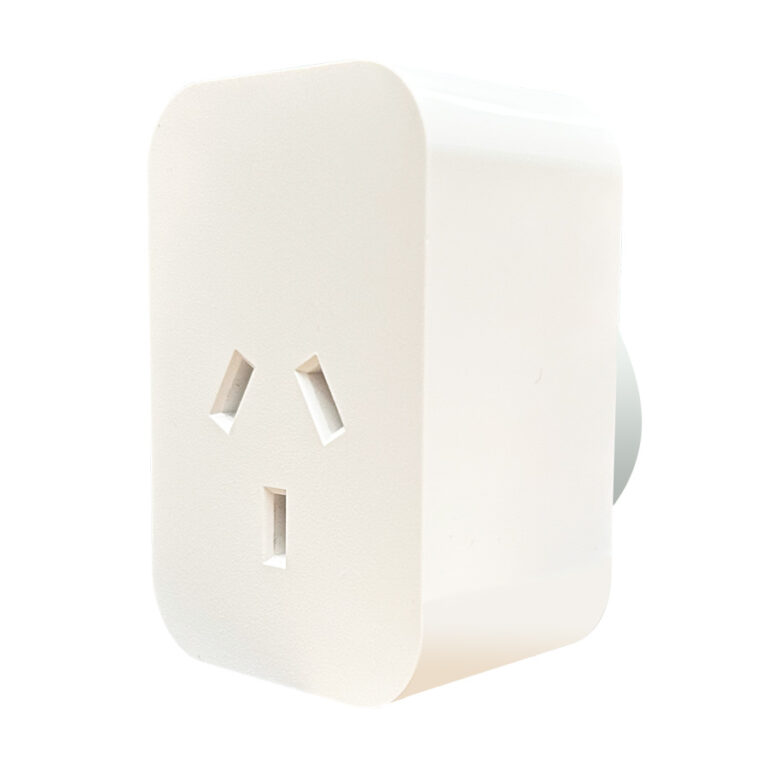
Sonoff has positioned many of its Zigbee products at highly competitive price points. This becomes particularly noticeable when adding multiple motion sensors, door sensors, smart plugs, relays and other devices throughout a home.
Shelly Zigbee products typically sit at a higher price point, particularly its more advanced relay and power-monitoring products. In return, Shelly often provides additional functionality within the individual device, including features such as Wi-Fi connectivity alongside Zigbee on supported Gen4 models.
For installations requiring many relatively simple Zigbee devices, Sonoff can therefore make it considerably more affordable to expand a smart home.
For more specialised control applications, the additional capabilities of a Shelly device may justify the higher cost.

Sonoff vs Shelly - Conclusion
All things considered, when using Zigbee and Home Assistant, my personal preference is Sonoff. However, there isn’t necessarily a need to choose one and exclude the other!
Sonoff is particularly attractive for users wanting an affordable and extensive Zigbee ecosystem, with a much larger selection of sensors, accessories, switches and controllers.
Shelly Gen4 is particularly interesting for control applications, combining Shelly’s established relay technology with Zigbee while also retaining Wi-Fi connectivity on supported products.
Perhaps the biggest advantage of building around an open platform such as Home Assistant is that you can mix and match.
You might choose Sonoff sensors because of their wide range and competitive pricing, while using Shelly Gen4 relays in locations where their particular features are useful. Both can then operate as part of the same overall smart home system.
Rather than thinking of it as Sonoff vs Shelly, for many installations the best answer may actually be Sonoff and Shelly.
As always, please fee free to contact us if you need a hand choosing or simply need some free, expert advice.